Here are some misconceptions associated with cracking knuckles:
1. Arthritis: Cracking knuckles does not directly cause arthritis or lead to joint degeneration. While some studies suggest a possible correlation between habitual knuckle cracking and decreased grip strength, the results are inconclusive and do not establish a causal relationship.
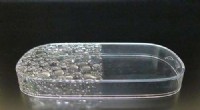
2. Joint Damage: There's no substantial evidence that occasional knuckle cracking causes damage to the bones, cartilage, or ligaments of the joint. The popping sound comes from the release of nitrogen bubbles from synovial fluid, and there's no indication of structural damage from this activity.
3. Ligament Stretching: While cracking knuckles may cause a slight stretching of the ligaments surrounding the joint, it's generally not enough to cause long-term problems or instability.
4. Weakness or Instability: Cracking knuckles does not weaken the joints or make them more prone to dislocations. It's a benign phenomenon that doesn't compromise joint stability.
5. Addictiveness: While some people find the habit of cracking knuckles satisfying or even addictive, there's no evidence to suggest a psychological dependence or harmful consequences related to this habit.
It's important to note that excessive or forceful cracking of joints, especially if it causes pain, discomfort, or inflammation, should be avoided as it may indicate an underlying issue that requires medical attention.
In conclusion, while there's no proven evidence of permanent damage caused by cracking knuckles, it's still a good practice to avoid excessive or forceful cracking, especially if it results in pain or discomfort.