A new type of nanoparticle that is sensitive to the acidic environment of tumors has shown promise in treating ovarian cancers with little toxicity, according to a study published in the journal Nature Communications.
The nanoparticles are made of a polymer that is coated with a layer of acid-sensitive polyethylene glycol (PEG). When the nanoparticles enter the acidic environment of a tumor, the PEG layer breaks down and the nanoparticles release their payload of chemotherapy drugs.
In preclinical tests, the nanoparticles were found to be effective in treating ovarian cancer tumors in mice. The nanoparticles were also found to be well-tolerated, with little toxicity to healthy tissues.
The researchers believe that the acid-sensitive nanoparticles could be a new treatment option for ovarian cancer patients. The nanoparticles are currently being evaluated in a clinical trial.
Ovarian Cancer
Ovarian cancer is the fifth leading cause of cancer death among women in the United States. The American Cancer Society estimates that there will be 22,240 new cases of ovarian cancer and 14,070 deaths from the disease in 2021.
Ovarian cancer is often difficult to diagnose and treat. The symptoms of ovarian cancer are often vague and nonspecific, and the disease can spread rapidly.
Current Treatments for Ovarian Cancer
The current treatments for ovarian cancer include surgery, chemotherapy, and radiation therapy. Surgery is the most common treatment for ovarian cancer, and it is often curative if the disease is caught early. Chemotherapy and radiation therapy are used to kill cancer cells that have spread beyond the ovaries.
Nanoparticles for Cancer Treatment
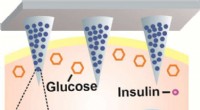
Nanoparticles are small particles that can be used to deliver drugs to cancer cells. Nanoparticles can be designed to target specific cancer cells, and they can release their payload of drugs in a controlled manner.
Acid-sensitive nanoparticles are a new type of nanoparticle that is sensitive to the acidic environment of tumors. When the nanoparticles enter the acidic environment of a tumor, they break down and release their payload of chemotherapy drugs.
Preclinical Tests of Acid-Sensitive Nanoparticles
In preclinical tests, the acid-sensitive nanoparticles were found to be effective in treating ovarian cancer tumors in mice. The nanoparticles were also found to be well-tolerated, with little toxicity to healthy tissues.
Clinical Trial of Acid-Sensitive Nanoparticles
The acid-sensitive nanoparticles are currently being evaluated in a clinical trial. The trial is designed to assess the safety and efficacy of the nanoparticles in treating ovarian cancer patients.
Potential Benefits of Acid-Sensitive Nanoparticles
Acid-sensitive nanoparticles could offer several potential benefits over current treatments for ovarian cancer. The nanoparticles can be targeted to specific cancer cells, and they can release their payload of drugs in a controlled manner. This could lead to improved efficacy and reduced toxicity.
Conclusion
Acid-sensitive nanoparticles are a promising new treatment option for ovarian cancer patients. The nanoparticles are currently being evaluated in a clinical trial, and the results of the trial will help to determine their safety and efficacy.