Simulations can accurately model viral capsids, which are protein shells that encapsulate the viral genetic material. By simulating the self-assembly of capsid proteins, researchers can gain insights into the structural stability and dynamics of these nanocontainers. These simulations can also help identify key interactions and conformational changes that facilitate the packaging of the viral genome.
Furthermore, simulations can explore how the viral genome is packaged within the capsid. The viral genome can be organized in various ways, such as coiled coils, helical structures, or more complex arrangements. Simulations can provide detailed information about the organization and dynamics of the viral genome within the capsid, helping researchers understand how the genome is protected and released upon infection.
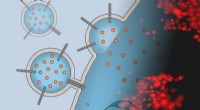
Simulations can also investigate the interactions between the viral capsid and the host cell membrane. This is crucial for understanding the mechanisms of viral entry and release from host cells. By simulating the interactions between the viral capsid and different types of membranes, researchers can identify key factors that influence viral infectivity and tropism.
In addition to providing fundamental insights into viral packaging, simulations can also aid in the rational design of synthetic nanocontainers for drug delivery. By mimicking the structural features and packaging mechanisms of viruses, researchers can engineer nanocontainers with enhanced stability, targeting capabilities, and controlled release properties. Simulations can help optimize the design parameters of these nanocontainers, reducing the need for extensive experimental trial and error.
Overall, simulations offer a powerful tool for studying viral packaging and designing synthetic nanocontainers for drug delivery. By providing detailed insights into the molecular mechanisms involved in viral packaging, simulations can guide the development of innovative drug delivery systems with improved efficacy and specificity.