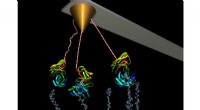
POMs have several features that make them attractive for this purpose. First, they are highly soluble in water, which is essential for their use in biological systems. Second, they can form stable complexes with a variety of drugs, which can help to improve the drug's delivery to the target site. Third, POMs can be functionalized with targeting ligands, which can direct them to specific cells or tissues.
Several studies have demonstrated the potential of POMs as drug transporters. For example, one study showed that a POM-based drug delivery system could effectively deliver the anticancer drug doxorubicin to tumor cells. Another study showed that a POM-based drug delivery system could improve the delivery of the antibiotic ampicillin to bacteria.
In addition to their potential as drug transporters, POMs have also been shown to have a number of other biological activities, including antioxidant, anti-inflammatory, and antiviral properties. These properties make POMs a promising class of compounds for the development of new drugs and drug delivery systems.
Here are some specific examples of how POMs have been used as drug transporters into the cell:
* Doxorubicin delivery: Doxorubicin is a potent anticancer drug, but it is also highly toxic to healthy cells. A POM-based drug delivery system can help to improve the delivery of doxorubicin to tumor cells by protecting it from degradation and by targeting it to the tumor site.
* Ampicillin delivery: Ampicillin is a broad-spectrum antibiotic that is used to treat a variety of bacterial infections. A POM-based drug delivery system can help to improve the delivery of ampicillin to bacteria by increasing its solubility and by protecting it from degradation.
* Antiviral therapy: POMs have also been shown to have antiviral activity against a variety of viruses, including HIV, influenza, and herpes simplex virus. POMs can inhibit the replication of these viruses by interfering with their entry into the cell or by inhibiting their replication machinery.
POMs are a promising class of compounds for the development of new drugs and drug delivery systems. Their unique properties, including their high solubility, ability to form stable complexes with drugs, and ability to be functionalized with targeting ligands, make them ideal for this purpose.