Atmosphere:
* Near vacuum: The Moon has a very thin, almost negligible atmosphere called an exosphere. It's so thin that it offers no protection from solar radiation, micrometeoroids, or temperature extremes.
* No weather: There's no wind, rain, or clouds on the Moon.
Temperature:
* Extreme variations: The Moon's surface temperature fluctuates wildly between day and night.
* Daytime: Up to 127°C (261°F) in direct sunlight
* Nighttime: Drops to -173°C (-279°F) in the shade
* No atmosphere for heat retention: This lack of atmosphere means there's nothing to trap heat and regulate temperatures.
Surface:
* Regolith: The Moon's surface is covered in a layer of fine, powdery dust and broken rock fragments called regolith.
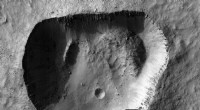
* Cratered landscape: The Moon is heavily cratered from impacts by asteroids and comets.
* Mountains and plains: There are also mountain ranges and vast, smooth plains called maria, formed by ancient volcanic eruptions.
* No liquid water: There's no liquid water on the Moon's surface.
* Ice at the poles: Scientists have discovered evidence of water ice in permanently shadowed craters at the Moon's poles.
Other Factors:
* Low gravity: The Moon's gravity is about 1/6th of Earth's, meaning you would weigh much less there.
* No magnetic field: The Moon has a very weak magnetic field, which offers little protection from solar radiation.
* Constant bombardment: The Moon is constantly bombarded by micrometeoroids and solar radiation.
Challenges for Exploration:
These conditions make the Moon a difficult place to explore and live. Some of the challenges include:
* Radiation protection: Astronauts need to be shielded from solar radiation and cosmic rays.
* Temperature control: Maintaining comfortable temperatures in spacesuits and habitats is crucial.
* Resource scarcity: Finding and utilizing resources like water and oxygen will be essential for long-term exploration.
Despite the challenges, the Moon offers exciting possibilities for scientific research and future human settlement.