The Basics:
* Heat energy: This is the energy associated with the random motion of atoms and molecules within an object. The faster the motion, the hotter the object.
* Temperature: A measure of the average kinetic energy of the particles in a substance.
* Thermal equilibrium: A state where two objects in contact have reached the same temperature.
What Happens:
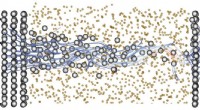
1. Collision and Energy Transfer: When objects at different temperatures touch, the particles in the warmer object collide with the particles in the cooler object. These collisions cause the faster-moving particles in the warmer object to transfer some of their kinetic energy to the slower-moving particles in the cooler object.
2. Heat Flow: This transfer of energy is what we call "heat flow." Heat energy always flows from a region of higher temperature to a region of lower temperature.
3. Thermal Equilibrium: The transfer of heat energy continues until the average kinetic energy of the particles in both objects is the same. At this point, both objects have reached the same temperature, and there is no further net heat flow between them.
Factors Affecting Heat Flow:
* Temperature difference: The larger the temperature difference between the objects, the faster the rate of heat flow.
* Materials: Different materials have different thermal conductivities, which affect how easily heat can flow through them. For example, metals are good conductors, while wood and plastic are poor conductors.
* Surface area: The larger the surface area in contact, the greater the rate of heat transfer.
* Time: The longer the objects are in contact, the more heat energy is transferred.
Examples:
* A hot cup of coffee and your hand: The coffee transfers heat energy to your hand, making your hand feel warm.
* An ice cube in a glass of water: The ice cube absorbs heat energy from the water, causing the ice to melt and the water to cool down.
* A metal spoon in a hot bowl of soup: The metal spoon quickly heats up because it is a good conductor of heat.
Important Note: While we talk about "heat flow," it's crucial to understand that heat is not a substance that flows, but rather a form of energy that is transferred through collisions between particles.