Here are some possible interpretations and suggestions:
1. Designing a Physics Experiment:
* Planning:
* Define the Problem: What physics concept are you investigating? What specific question are you trying to answer?
* Develop a Hypothesis: What do you expect to observe?
* Choose Your Method: What tools and techniques will you use?
* Design the Experiment: What steps will you follow? What data will you collect? How will you control variables?
* Safety Considerations: Are there any potential hazards? How will you mitigate them?
* Data Analysis: How will you analyze the collected data? What statistical tests might be needed?
* Designing:
* Materials: What specific materials will you use?
* Apparatus: Do you need to build or modify any equipment?
* Set Up: How will you set up your experiment? What are the key components?
* Measurement: How will you measure your variables? What level of precision do you need?
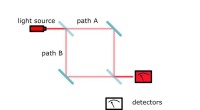
* Layout: This could refer to a visual representation of the experiment setup, such as a diagram or sketch. This should clearly show the key components and how they are arranged.
2. Planning a Physics Lesson:
* Learning Objectives: What specific physics concepts or skills do you want students to learn?
* Prior Knowledge: What do students already know about the topic?
* Engagement: How will you grab students' attention and interest in the topic?
* Instruction: What teaching methods will you use? Will you use demonstrations, simulations, hands-on activities, or lectures?
* Assessment: How will you assess students' understanding? This could include quizzes, tests, projects, or group work.
* Layout: This could refer to the organization of the lesson plan. A good layout might include a clear introduction, main body, and conclusion.
3. Planning a Physics Project:
* Topic: What specific area of physics will your project focus on?
* Research: What existing research is there on the topic?
* Methodology: How will you conduct your project? Will it involve experimentation, theoretical modeling, or analysis of existing data?
* Timeline: What are the key milestones for your project?
* Budget: Do you need any special equipment or supplies?
* Layout: This could refer to a written proposal outlining the goals, methodology, and expected outcomes of the project.
Please provide more context to help me understand your specific needs, and I can give you a more tailored response.