Static Friction:
* Definition: Static friction is the force that prevents an object from moving when a force is applied to it.
* Nature: It acts as a resistance force that keeps the object at rest.
* Maximum Value: The maximum value of static friction is known as the "limiting friction" and is the force that must be overcome to initiate motion.
Sliding Friction:
* Definition: Sliding friction is the force that resists the relative motion of two surfaces that are already in contact and sliding past each other.
* Nature: It acts as a resistance force that opposes the movement of the object.
* Value: The force of sliding friction is generally lower than the maximum static friction because the surfaces have already begun moving.
Why Sliding Friction is Lower:
* Microscopic Interactions: When surfaces are at rest, microscopic irregularities (like bumps and grooves) have a chance to interlock. This creates a strong resistance force. When the surfaces start moving, these interlockings are disrupted, reducing the force needed to keep them sliding.
* Lubrication: Even a tiny amount of lubrication (like air or moisture) can reduce sliding friction by filling in gaps between surfaces and decreasing the contact area.
Example:
Think about pushing a heavy box on a floor.
* Starting Friction: You need to apply a significant force to get the box moving initially (overcoming static friction).
* Sliding Friction: Once the box is moving, you need to apply a slightly smaller force to keep it moving at a constant speed (overcoming sliding friction).
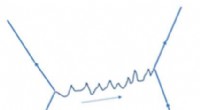
Important Note: There are exceptions to this general rule. In some cases, sliding friction might be higher than static friction, especially with materials that exhibit "stick-slip" phenomena or where surface roughness plays a major role.
Let me know if you have any other questions!