1. Friction: This is the most prominent force and is what we typically think of when surfaces rub. Friction opposes the motion between the surfaces and acts parallel to the contact area. It can be further classified into:
* Static friction: This force prevents an object from moving when a force is applied to it. It acts when the surfaces are at rest relative to each other.
* Kinetic friction: This force acts when the surfaces are sliding relative to each other and opposes the motion.
2. Normal Force: This force acts perpendicular to the contact surfaces and represents the force that one surface exerts on the other to prevent it from passing through. It is equal in magnitude but opposite in direction to the force that the object exerts on the surface.
3. Adhesion: This force arises from the attraction between the molecules of the two surfaces. It plays a significant role in friction, especially when the surfaces are in close contact.
4. Deformation: As surfaces rub together, they can deform and change their shape. These deformations can contribute to friction by increasing the contact area and creating irregularities.
5. Wear: This is the process of material removal from the surfaces due to rubbing. It can lead to changes in the surface properties and affect the forces involved in friction.
6. Electrostatic Forces: In some cases, rubbing surfaces can generate static electricity, which can create additional forces between the surfaces.
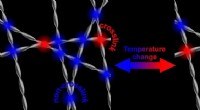
7. Heat Generation: Friction converts mechanical energy into heat energy, which can cause a rise in temperature at the contact surfaces.
The relative importance of these forces depends on the specific materials involved, the contact pressure, the velocity of rubbing, and other factors.