* Science is the systematic study of the natural world through observation, experimentation, and the formulation of testable explanations (theories).
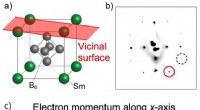
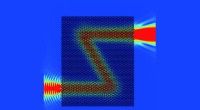
* Physics is the study of matter and its motion, as well as the related concepts of energy and force. It's a fundamental science that seeks to understand the most basic building blocks of the universe and the laws that govern their behavior.
So, physics is a specific area of study within the larger field of science.
Think of it like this:
* Science is a vast library with many different books.
* Physics is one of those books, focusing on a specific topic (matter, energy, motion, etc.).
Here are some key relationships between physics and other sciences:
* Chemistry: Physics provides the foundation for understanding the fundamental forces that govern chemical reactions and the structure of molecules.
* Biology: Physics explains how physical laws govern biological processes, such as the flow of blood, the movement of muscles, and the transmission of nerve impulses.
* Astronomy: Physics is essential for understanding the universe, including the formation and evolution of stars, galaxies, and planets.
* Earth Science: Physics plays a role in understanding geological processes, such as earthquakes, volcanoes, and the Earth's magnetic field.
In short, physics is a fundamental and essential science that provides a framework for understanding the natural world. It's interwoven with other scientific disciplines, contributing to our understanding of everything from the tiniest atoms to the vast cosmos.