1. Explaining the World Around Us:
* Understanding Natural Phenomena: Physical science helps us understand natural events like weather patterns, earthquakes, tides, and the formation of stars.
* Everyday Objects and Technologies: It explains how things work, from the basic mechanisms of a bicycle to the complex workings of a smartphone.
* Solving Real-World Problems: Physical science provides solutions for challenges like developing renewable energy sources, improving healthcare technologies, and managing environmental issues.
2. Shaping our Technologies:
* Innovation and Discovery: Physical science research leads to new discoveries and innovations, driving technological advancements in fields like medicine, transportation, communication, and energy production.
* Engineering and Design: Principles of physics, chemistry, and astronomy guide the design and construction of buildings, bridges, aircraft, and countless other structures.
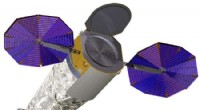
* Predicting and Controlling: Physical science allows us to predict and control natural processes, enabling us to build dams to harness water power, design satellites for communication, and even predict weather patterns.
3. Making Informed Decisions:
* Understanding Risks and Benefits: Physical science helps us evaluate the risks and benefits of different technologies and practices, enabling informed decision-making about our environment, health, and safety.
* Environmental Awareness: It provides insights into the delicate balance of ecosystems, the impact of pollution, and the importance of sustainable practices.
* Scientific Literacy: Understanding basic scientific principles equips us to critically evaluate information, make informed decisions, and engage in meaningful conversations about scientific issues.
In essence, physical science isn't just a school subject; it's a crucial tool for understanding, navigating, and shaping the world we live in.