Small Objects (Micrometeoroids and Dust):
* Most common type: These objects burn up in the atmosphere, creating shooting stars or meteors.
* Minimal impact: They rarely cause any damage on the ground.
Larger Objects (Meteorites):
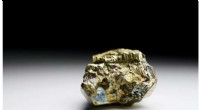
* Small meteorites (up to a few meters in diameter): Can cause localized damage upon impact, creating craters and potentially starting fires.
* Larger meteorites (tens of meters): Can cause significant destruction in a localized area, creating large craters and potential tsunamis if impacting water.
Very Large Objects (Asteroids and Comets):
* City-destroying impacts: Asteroids a few hundred meters in diameter could cause widespread devastation in a city or region.
* Global impacts: Larger objects (kilometers in diameter) can trigger massive earthquakes, tsunamis, and widespread wildfires, potentially causing global extinction events.
* The Chicxulub Impact: The impact that led to the extinction of the dinosaurs was caused by an asteroid estimated to be around 10 kilometers in diameter.
Here's a summary of the potential effects:
* Craters: Impacts create craters, the size of which depends on the size of the impactor.
* Tsunamis: Impacts in oceans can generate massive tsunamis that can devastate coastlines.
* Earthquakes: Impacts can trigger earthquakes, which can cause significant damage.
* Fires: The heat generated by the impact can ignite wildfires.
* Climate Change: Impacts can throw dust and debris into the atmosphere, blocking sunlight and leading to global cooling.
* Mass Extinctions: Very large impacts can lead to mass extinctions by disrupting the food chain and causing environmental changes.
The impact of a large object from space is a serious threat, but fortunately, these events are relatively rare. Space agencies around the world are working to detect and track near-Earth objects to better understand the potential risks.