Here are some examples of phenomena:
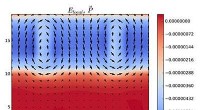
* Physical phenomena: gravity, magnetism, light, sound, heat, electricity, motion
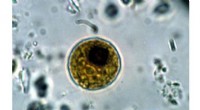
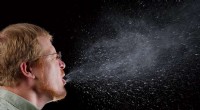
* Biological phenomena: growth, reproduction, evolution, disease
* Chemical phenomena: reactions, bonding, combustion
* Astronomical phenomena: star formation, supernovae, eclipses, planetary orbits
Key points about phenomena in science:
* Observable: Phenomena must be able to be observed and documented.
* Repeatable: Ideally, a phenomenon can be repeated under controlled conditions, allowing scientists to study it more thoroughly.
* Explanatory: Scientists aim to explain why phenomena occur, developing theories and models to understand the underlying processes.
* Predictable: Understanding a phenomenon often leads to the ability to predict when and how it might occur again.
Examples of scientific study of phenomena:
* Scientists studying the phenomenon of gravity: They investigate how gravity affects objects on Earth and in space, leading to theories about its nature and how it works.
* Biologists studying the phenomenon of cell division: They explore the process of how cells replicate, leading to understanding of growth and development.
* Chemists studying the phenomenon of chemical reactions: They investigate how different substances interact and change, leading to the development of new materials and technologies.
In essence, phenomena are the raw material of scientific investigation. They provide the questions that drive scientific curiosity and the observations that lead to new knowledge and understanding of the world around us.