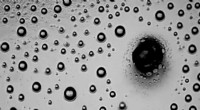
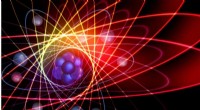
1. Molecular Motion: Air is composed of tiny particles called molecules, which are in constant, random motion. They move around at high speeds, bouncing off each other and the walls of their container.
2. Collisions: When these molecules collide with a surface, they exert a force. Imagine a tiny ball bouncing against a wall – it pushes on the wall. Each air molecule does the same thing when it hits a surface.
3. Pressure: The force exerted by all these tiny collisions adds up. This collective force per unit area is what we call air pressure.
Factors Affecting Air Pressure:
* Density: More molecules in a given space (higher density) means more collisions, resulting in higher pressure.
* Temperature: Higher temperature means faster moving molecules, leading to more frequent and forceful collisions, and therefore higher pressure.
* Altitude: As altitude increases, the air gets thinner (less dense), so there are fewer molecules to collide and air pressure decreases.
Example:
Imagine a balloon filled with air. The air molecules inside are constantly bouncing around, hitting the inside of the balloon. These collisions create pressure that pushes outward, keeping the balloon inflated.
In Summary:
Air pressure is a result of the countless collisions of air molecules with surfaces. This pressure is influenced by the density, temperature, and altitude of the air.