How Electromagnetic Waves Interact with Matter:
* Absorption: The matter can absorb the energy of the electromagnetic wave, causing the material to heat up. This is why microwaves heat food.
* Reflection: The wave can bounce off the surface of the material. This is how mirrors work.
* Transmission: The wave can pass through the material. This is how we can see through glass.
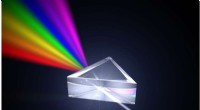
* Refraction: The wave can change direction as it passes from one medium to another. This is why a straw in a glass of water appears bent.
Factors Affecting Transmission:
* Frequency of the wave:
* Low-frequency waves (like radio waves) generally pass through most materials fairly easily. This is why radio signals can travel through walls.
* Higher-frequency waves (like visible light) are more likely to be absorbed or reflected. This is why we can't see through solid objects.
* Properties of the material:
* Density: Denser materials generally absorb or reflect more electromagnetic waves.
* Composition: Different materials have different interactions with electromagnetic waves. For example, metals are good conductors of electricity and will reflect most electromagnetic waves.
* Transparency: Materials that are transparent to a particular wavelength of electromagnetic radiation will allow it to pass through.
Examples:
* Visible light: This part of the electromagnetic spectrum can travel through transparent materials like glass and air, but it's absorbed by opaque materials like wood and metal.
* X-rays: These high-energy waves can penetrate soft tissues but are absorbed by bones, allowing us to see our bones in medical imaging.
* Radio waves: These low-energy waves pass through most materials easily, which is why we can listen to the radio indoors.
Conclusion:
Electromagnetic waves can travel through matter, but their interaction with the material depends on the wave's frequency and the properties of the matter. The higher the frequency of the wave, the more likely it is to be absorbed or reflected.