Diffuse Reflection:
* Light scatters: The bumps on the surface cause the light rays to scatter in many different directions.
* No clear image: Because of the scattering, a clear image cannot be formed.
* Examples: A rough wall, a piece of paper, a fabric.
Specular Reflection:
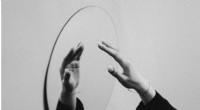
* Light reflects in a single direction: Smooth surfaces like mirrors reflect light rays in a single, predictable direction.
* Clear image formation: The organized reflection allows for the formation of a clear image.
* Examples: A mirror, a polished metal surface, a calm lake.
Why does this happen?
The bumps on a surface disrupt the smooth path of light rays. Instead of reflecting in a single direction, the light is scattered in multiple directions due to the uneven surface. This scattering makes it impossible for the light rays to converge at a single point, preventing the formation of a clear image.
Consequences of diffuse reflection:
* We see objects: Diffuse reflection is what allows us to see objects that are not perfectly smooth. The scattered light reaches our eyes, enabling us to perceive the object's shape and color.
* Color perception: Diffuse reflection is also responsible for our perception of color. Different materials absorb and reflect different wavelengths of light, contributing to their unique colors.
In summary: Bumpy surfaces scatter light in many directions, causing diffuse reflection, which prevents clear image formation but allows us to see objects and perceive color.