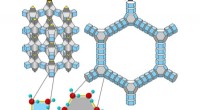
Shape and material influence resonance:
* Shape: The shape of an object determines how it vibrates and the specific frequencies at which it resonates. Think of a guitar string - different shapes of the string and bridge will produce different tones.
* Material: The material of an object influences its stiffness, density, and how it conducts vibrations. These properties directly affect the resonant frequencies. For example, a steel bell will resonate at a higher frequency than a bell made of aluminum.
However, resonance is also influenced by other factors:
* Size: The size of an object plays a significant role in determining its resonant frequencies. A larger object will generally have lower resonant frequencies than a smaller one.
* External forces: The presence of external forces, such as wind, can also influence the resonance of an object.
* Damping: Damping refers to the loss of energy in a vibrating system. It can be affected by factors like friction and air resistance, and it affects how strongly an object resonates.
In summary:
While shape and material are important contributors to resonance, they aren't the sole determining factors. Resonance is a complex phenomenon influenced by the interplay of several factors, including shape, material, size, external forces, and damping.