1. Mechanics and Dynamics:
* Motion and Forces: Color guard members execute precise movements and throws using their bodies and equipment. This involves understanding the principles of motion, force, and momentum. For example, when throwing a flag, they need to apply the right force and direction to achieve the desired trajectory.
* Torque and Angular Momentum: Spin techniques in color guard rely on the concepts of torque and angular momentum. Understanding how to apply torque to a flag or weapon to achieve specific rotations is crucial for successful performances.
2. Optics and Light:
* Color Theory: Color guard costumes and equipment are carefully chosen to create visual impact and contrast. Understanding color theory and how different colors interact is essential for achieving a desired aesthetic.
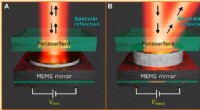
* Light and Reflection: The reflectivity of flags and equipment influences how they interact with light. Understanding how light reflects off different surfaces is important for achieving desired visual effects.
3. Sound and Acoustics:
* Sound Waves: While color guard is primarily a visual art form, sound plays a crucial role in performances. Understanding how sound waves travel and interact with the environment is important for achieving a cohesive sound experience.
* Resonance: The resonance of equipment, like flags or rifles, can affect their sound and visual impact. Understanding how different materials resonate can inform the choice of equipment.
4. Other Connections:
* Aerodynamics: The shape and design of flags can affect their movement and how they interact with air currents. Understanding principles of aerodynamics can help create more dynamic and aesthetically pleasing movements.
* Materials Science: The properties of materials used in color guard equipment, like flags and rifles, influence their performance and durability. Understanding the properties of different materials can help in choosing the right equipment.
In conclusion, while color guard is not directly a science, understanding physics principles can enhance the technical aspects of the activity and lead to more captivating performances. By applying principles of mechanics, optics, acoustics, and other related fields, color guard members can achieve a deeper understanding of their craft and create more impactful visual experiences.