How Air Resistance Works:
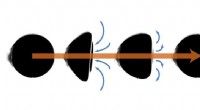
* Collisions: As an object moves through the air, its surface collides with air molecules.
* Momentum Transfer: These collisions transfer momentum from the object to the air molecules, slowing the object down.
* Friction: The friction between the object's surface and the air molecules is what we call air resistance or drag.
Factors Affecting Air Resistance:
* Speed: The faster the object moves, the more collisions occur, and the greater the air resistance.
* Shape: Objects with a larger surface area facing the direction of motion experience more air resistance. A streamlined shape (like a teardrop) reduces air resistance.
* Surface Roughness: Rougher surfaces create more turbulence and therefore more air resistance.
* Air Density: Air resistance is higher in denser air (like at higher altitudes).
Example:
Think of a car driving down the road. The air molecules collide with the front of the car, pushing back against it. This air resistance is what makes it harder to accelerate the car and what eventually brings the car to a stop if the engine isn't providing power.
Let me know if you'd like to know more about air resistance or any related topic!