* Reflection: The light rays bounce off the surface.
* Parallelism: Because the surface is smooth, the reflected rays remain parallel to each other.
* Angle of Incidence = Angle of Reflection: The angle at which the light rays hit the surface (angle of incidence) is equal to the angle at which they bounce off (angle of reflection).
Think of it like this: Imagine a perfectly flat mirror. If you shine a flashlight at the mirror, the light will bounce off and create a clear, focused reflection. This is because the smooth surface of the mirror causes the parallel rays of light to reflect in a parallel manner.
Here are some examples of specular reflection:
* Mirrors: These are designed to create a clear reflection by having a highly polished surface.
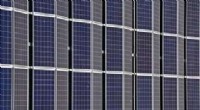
* Shiny surfaces: Objects like polished metal, glass, or even a calm body of water can produce specular reflection.
* Telescopes: The mirrors used in telescopes rely on specular reflection to focus light from distant objects.
In contrast to specular reflection, rough surfaces cause diffuse reflection, where light rays scatter in different directions.