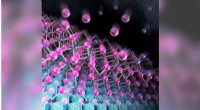
* Scattering: Instead of reflecting in a single, predictable direction like a smooth surface, the rays scatter in many different directions. This is because the bumps and irregularities on the surface cause the light to be reflected at various angles.
* No clear image: Diffuse reflection results in a blurred or scattered image, as the light rays do not converge to form a focused image. This is why we can see objects that are not directly illuminated by light.
* Brightness: While a diffuse reflection doesn't create a clear image, it can contribute to the overall brightness of an object. This is why a rough surface can appear brighter than a smooth surface under the same lighting conditions.
Examples:
* A piece of paper: Light hitting the rough surface of paper is scattered in many directions, making the paper appear white and allowing us to read the text.
* A textured wall: The bumps and irregularities on the wall's surface cause the light to scatter, making the wall appear dull and less reflective.
* A frosted glass: The rough surface of the glass diffuses the light passing through it, creating a soft, even illumination.
In contrast:
* Smooth surfaces: When parallel rays of light hit a smooth surface, like a mirror, they undergo specular reflection. This means they are reflected in a single direction, creating a clear image.