Why electron repulsion matters:
* Atoms in contact: When two surfaces touch, the electron clouds of atoms on each surface get very close.
* Electrostatic repulsion: These electron clouds repel each other due to their negative charges.
* Resistance to movement: This repulsion creates a resistance to movement. The closer the atoms get (rougher surfaces), the stronger this repulsion becomes.
The bigger picture:
While electron repulsion is a key factor, friction is a complex phenomenon influenced by multiple factors, including:
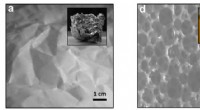
* Surface roughness: The more irregularities, the more contact points and thus stronger friction.
* Materials involved: Different materials have different atomic structures and electron cloud densities, affecting friction.
* Normal force: The force pressing the surfaces together, directly impacts the strength of the electron repulsion.
* Temperature: Heat can affect atomic vibrations and thus the interaction between electron clouds.
* Relative motion: Static friction (before movement) is different from kinetic friction (during movement).
In summary: Electron repulsion is a *fundamental force* involved in friction, but other factors contribute to the complex interplay between surfaces.