Surfaces that SLOW down movement:
* Rough surfaces: Think sandpaper, gravel, or a carpet. The bumps and irregularities on these surfaces cause friction, which resists the object's motion.
* Sticky surfaces: Glue, tape, or even wet surfaces create a strong force that hinders movement.
* Surfaces with high friction: Materials like rubber, wood, or rough concrete have higher friction coefficients, meaning they resist movement more than smooth surfaces.
Surfaces that INCREASE movement (or at least don't slow it down as much):
* Smooth surfaces: Glass, ice, polished metal. These surfaces minimize friction, allowing the object to slide more easily.
* Surfaces with low friction: Teflon, for example, is known for its incredibly low friction, which is why it's used in non-stick cookware.
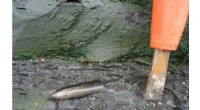
* Air or water (for moving objects): These fluids can reduce friction, especially at high speeds. Think of a car on a highway or a fish swimming in the ocean.
Important Considerations:
* Shape and size of the object: A round object will roll more easily than a square one. A larger object will experience more friction than a smaller one.
* Speed of the object: Friction increases with speed. This is why you need to push harder to get something moving quickly.
* Weight of the object: Heavier objects experience more friction.
Let me know if you have any more specific questions about how certain surfaces might affect an object's motion!