1. Doppler Effect:
* Principle: The Doppler Effect describes the change in frequency of a wave (like sound or light) when the source of the wave and the observer are moving relative to each other.
* How it works: As an object approaches, the waves it emits (like sound waves) are compressed, leading to a higher frequency (higher pitch). As the object moves away, the waves are stretched, leading to a lower frequency (lower pitch). By measuring the frequency shift, you can determine the speed of approach.
* Applications: Used in radar, sonar, and astronomy.
2. Relative Velocity:
* Principle: The relative velocity of an object is its velocity relative to another object.
* How it works: You need to know the velocities of both objects. The speed of approach is the difference between the two velocities if they are moving towards each other.
* Applications: Used in everyday situations like calculating the time it takes for two cars to meet.
3. Time and Distance:
* Principle: You can determine the speed of approach by measuring the distance traveled by the object and the time it takes.
* How it works: If you know the distance the object is moving towards you and the time it takes to cover that distance, you can calculate the speed of approach using the formula: speed = distance / time.
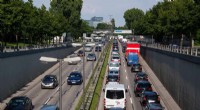
* Applications: Used in simple cases like calculating the speed of a car approaching an intersection.
4. GPS and Navigation Systems:
* Principle: These systems use satellites to determine the location and speed of objects.
* How it works: By comparing the time it takes for a signal to travel between a satellite and a receiver, GPS systems can determine the position and velocity of the receiver.
* Applications: Used in car navigation systems, mobile phones, and other tracking devices.
5. Sensors and Detectors:
* Principle: Various sensors, like lidar or infrared sensors, can detect and measure the speed of objects.
* How it works: These sensors use different physical principles to detect and measure the movement of objects.
* Applications: Used in autonomous vehicles, security systems, and traffic monitoring.
The best method to determine the speed of approach depends on the available information, the type of object, and the accuracy required.