Here's why:
* The speed of light in a vacuum is the absolute fastest it can travel. This speed, approximately 299,792,458 meters per second, is often denoted as "c".
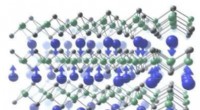
* Light slows down when it passes through a medium like liquid or glass. This is because light interacts with the atoms in the medium, causing it to change direction and take a slightly longer path.
* The denser the medium, the slower light travels. Liquids are denser than gases but less dense than solids, so light travels slower in liquids than gases but faster than solids.
Therefore, the speed of light is fastest in a vacuum, followed by gases, then liquids, and finally solids.