1. Bandwidth:
* This is the most common interpretation.
* Bandwidth refers to the range of frequencies a signal or system can handle.
* It is often measured in Hertz (Hz) or kilohertz (kHz), and represents the difference between the highest and lowest frequencies in the signal.
Example:
* A radio station broadcasting at 98.7 FM has a bandwidth of 200 kHz (from 98.5 MHz to 98.7 MHz).
2. Frequency Range:
* This describes the specific range of frequencies a system operates within.
* It could be a specific band of frequencies, like the audible range (20 Hz to 20 kHz) or the radio frequency spectrum (3 kHz to 300 GHz).
Example:
* A microphone might have a frequency range of 50 Hz to 15 kHz, meaning it can pick up sounds in that specific range.
3. Frequency Spread:
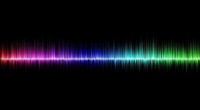
* This term is less common, but it can be used to describe the distribution of frequencies within a signal.
* For example, a signal with a wide frequency spread would have frequencies distributed across a wider range, while a signal with a narrow frequency spread would have frequencies clustered closer together.
In summary:
* Span in frequency is a general term, and the specific meaning depends on the context.
* It usually refers to bandwidth, but can also refer to frequency range or frequency spread.
It's important to understand the specific meaning of "span in frequency" based on the context to interpret its usage correctly.