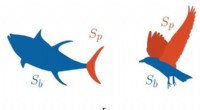
Thrust is a vector quantity, which means that it has both magnitude and direction. The magnitude of thrust is determined by the mass flow rate of the propellant and the velocity of the exhaust gases. The direction of thrust is determined by the direction of the exhaust gases.
In order to achieve liftoff, a rocket must generate enough thrust to overcome its weight. The amount of thrust required depends on the mass of the rocket and the acceleration due to gravity. Once a rocket has achieved liftoff, it can continue to accelerate by increasing its thrust or by reducing its mass.
Thrust is an essential force for rockets, as it is the only force that can propel them through space. Without thrust, rockets would not be able to achieve orbit or travel to other planets.