Wet mass movement refers to mass movement that occurs when the material involved is saturated with water. This can occur during periods of heavy rainfall, snowmelt, or flooding. Wet mass movement can be very destructive, as it can cause significant damage to infrastructure and property.
Some common types of wet mass movement include:
* Landslides: Landslides occur when a large mass of rock, soil, or debris slides down a slope. They are often triggered by heavy rainfall, earthquakes, or volcanic eruptions.
* Mudslides: Mudslides occur when a mixture of water and sediment flows down a slope. They are often triggered by heavy rainfall or snowmelt.
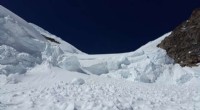
* Avalanches: Avalanches occur when a mass of snow slides down a slope. They are often triggered by heavy snowfall, high winds, or earthquakes.
* Rockfalls: Rockfalls occur when a mass of rock falls from a cliff or slope. They are often triggered by earthquakes, volcanic eruptions, or heavy rainfall.
* Soil creep: Soil creep is the slow, gradual movement of soil downslope. It is often caused by the force of gravity, but can also be accelerated by heavy rainfall or snowmelt.
Wet mass movement can be a serious hazard to human life and property. It is important to be aware of the risks associated with wet mass movement and to take steps to mitigate those risks.