Look for a change in the object's position relative to its surroundings. If you notice a difference in its location after some time, it indicates movement.
Reference points:
Use fixed reference points in the environment to observe the object's motion. If the object passes by or moves relative to these reference points, it is in motion.
Sound:
Moving objects often produce sound, such as the humming of a fan or the rustling of leaves. Pay attention to any audible cues that may indicate movement.
Touch or feel:
If you are physically close to the object, touch or feel it gently to detect any vibrations or changes in temperature that may suggest motion.
Time-lapse photography or videography:
Set up a time-lapse camera to capture the object over a longer period. If there is movement, the time-lapse footage will reveal it clearly.
Laser beams:
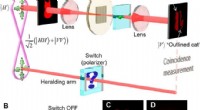
Use laser pointers or beams to create a reference line or plane in the object's vicinity. If the object moves, it will disrupt or displace the laser beam.
Smoke or dust particles:
If the object is in a dusty environment, its movement may disturb dust particles, creating trails or patterns that indicate direction and speed.