1. Absorption: Some of the light rays may be absorbed by the specimen. This means that the light energy is converted into other forms of energy, such as heat or chemical energy. The absorbed light rays do not contribute to the formation of an image.
2. Reflection: Some of the light rays may be reflected off the surface of the specimen. This can happen when the refractive index of the specimen is different from the refractive index of the surrounding medium. The reflected light rays can be used to create images, such as in brightfield microscopy.
3. Scattering: Light rays can also be scattered by the specimen. This can occur due to irregularities or structures within the specimen that cause the light to change direction. Scattering can result in the formation of patterns or halos around the specimen, which can be useful for identifying certain features.
4. Refraction: When light rays pass from one medium to another with a different refractive index, they undergo refraction. This means that the light rays bend or change direction. Refraction can cause the specimen to appear distorted or magnified when viewed under a microscope.
5. Diffraction: Diffraction is the spreading out of light rays as they pass through a small opening or around an edge. This can occur when light interacts with fine structures or edges within the specimen. Diffraction patterns can be used to obtain information about the size and shape of these structures.
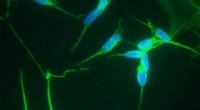
6. Fluorescence: In some cases, certain substances within the specimen may emit light when exposed to specific wavelengths of light. This phenomenon is known as fluorescence. The emitted light can be detected and used to create images, such as in fluorescence microscopy.
The specific interactions that occur between light rays and a specimen depend on various factors, including the wavelength of the light, the refractive index of the specimen, the presence of absorbing or fluorescent molecules, and the structural characteristics of the specimen. These interactions are crucial for obtaining information and generating images in microscopy and other optical techniques.