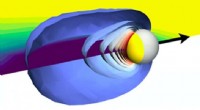
Surface tension is the tendency of a fluid surface to contract and resist external forces. When an object is placed on the surface of a fluid, it displaces the fluid and creates a force that opposes the downward force of gravity. If the object is dense enough, it will displace enough fluid to create a force that is greater than the force of gravity, and the object will sink. On the other hand, if the object is less dense, it will displace less fluid and create a force that is less than the force of gravity, and the object will float.
_Here's a simplified explanation:_
1. Weight: The weight of an object is the force exerted on it by gravity. The greater the weight of an object, the greater the downward force it exerts on the surface of the fluid. As mentioned earlier, objects with sufficient weight or enough force pushing them down can break surface tension and sink.
2. Density: Density is defined as the mass of an object per unit volume. Denser objects have a higher concentration of mass within a given volume. Denser objects tend to sink because they displace less fluid for their weight compared to less dense objects. For example:
- An iron nail is denser than water and will sink because it displaces less water than its weight.
- A wooden block is less dense than water and will float because it displaces more water than its weight.
However, keep in mind that surface tension is affected by various factors like the chemical composition of the fluid, temperature, presence of surfactants, and the shape of the object. In certain cases, other factors may be more dominant than weight and density in influencing whether an object breaks surface tension or not.