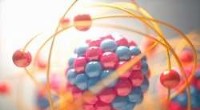
For decades, scientists have been trying to harness nuclear fusion power for use on Earth. However, the technology is extremely complex and difficult to control. There have been some promising breakthroughs in recent years, but we are still a long way from having commercially viable nuclear fusion power.
Here is a timeline of some of the key milestones in the history of nuclear fusion power:
* 1920: British physicist Sir Arthur Eddington proposes that the sun's energy is produced by nuclear fusion.
* 1938: German physicists Carl Friedrich von Weizsäcker and Hans Bethe develop the theory of nuclear fusion.
* 1952: The United States conducts the first thermonuclear explosion, which is a type of nuclear fusion.
* 1968: The Joint European Torus (JET) is built in the United Kingdom. JET is a tokamak, which is a type of magnetic confinement device that is used to control nuclear fusion reactions.
* 1991: The International Thermonuclear Experimental Reactor (ITER) is proposed. ITER is a much larger and more powerful tokamak than JET, and it is hoped that it will be able to produce net energy gain, which means that it will produce more energy than it consumes.
* 2006: Construction of ITER begins.
* 2025: ITER is expected to be completed.
The progress of nuclear fusion power has been marked by both successes and setbacks. There have been some promising breakthroughs in recent years, but we are still a long way from having commercially viable nuclear fusion power. However, the potential rewards are enormous. If we can successfully harness nuclear fusion power, it could provide a safe, clean, and abundant source of energy for the world.
Here are some of the challenges that need to be overcome in order to achieve commercially viable nuclear fusion power:
* The high temperatures required for nuclear fusion. The temperatures required for nuclear fusion are so high that they can damage the materials used to build the reactor.
* The need to control the plasma. The plasma is a hot, ionized gas that is used to conduct nuclear fusion reactions. It is extremely difficult to control the plasma and keep it from touching the walls of the reactor.
* The high cost of building a nuclear fusion reactor. Nuclear fusion reactors are extremely complex and expensive to build. The cost of building ITER is estimated to be around \$20 billion.
Despite these challenges, there is a growing sense of optimism that nuclear fusion power is finally within reach. In recent years, there have been some major breakthroughs in the field, and there is now a great deal of international cooperation on nuclear fusion research. If we can continue to make progress, we could see commercially viable nuclear fusion power in the next few decades.