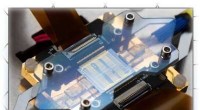
In a major breakthrough for the aerospace industry, hot-fire tests have demonstrated that 3D printed rocket parts can perform as well as traditionally manufactured components. This development has the potential to revolutionize the way rockets are produced, offering significant cost and time savings.
The tests were conducted by researchers at NASA's Marshall Space Flight Center in Huntsville, Alabama. They involved firing a rocket engine using 3D printed components, including the injector, nozzle, and combustion chamber. The results showed that the 3D printed parts performed as well as traditionally manufactured parts, meeting all of the required specifications.
This breakthrough is a significant step forward for the use of 3D printing in the aerospace industry. 3D printing offers a number of advantages over traditional manufacturing methods, including:
* Reduced cost: 3D printing can produce parts at a fraction of the cost of traditional manufacturing methods. This is because 3D printing does not require the use of expensive molds or tooling.
* Faster production time: 3D printing can produce parts in a matter of hours or days, compared to weeks or months for traditional manufacturing methods. This can significantly reduce the lead time for rocket production.
* Increased design freedom: 3D printing allows for the creation of complex geometries that would be difficult or impossible to produce using traditional manufacturing methods. This gives engineers greater freedom to design innovative rocket components.
The successful hot-fire tests of 3D printed rocket parts represent a major milestone in the development of this technology. It is a clear demonstration that 3D printing has the potential to revolutionize the way rockets are produced, making them more affordable, faster to produce, and more efficient.
Benefits of 3D printing for rocket parts:
* Cost savings: 3D printing can produce rocket parts at a fraction of the cost of traditional manufacturing methods. This is because 3D printing does not require the use of expensive molds or tooling.
* Reduced lead time: 3D printing can produce parts in a matter of hours or days, compared to weeks or months for traditional manufacturing methods. This can significantly reduce the lead time for rocket production.
* Increased design freedom: 3D printing allows for the creation of complex geometries that would be difficult or impossible to produce using traditional manufacturing methods. This gives engineers greater freedom to design innovative rocket components.
* Improved performance: 3D printed rocket parts can be lighter and stronger than traditionally manufactured parts. This can improve the performance of rockets by reducing weight and increasing fuel efficiency.
Conclusion:
The successful hot-fire tests of 3D printed rocket parts represent a major milestone in the development of this technology. It is a clear demonstration that 3D printing has the potential to revolutionize the way rockets are produced, making them more affordable, faster to produce, and more efficient.