How Rogue Waves Form
1. Wave Interference: Rogue waves often occur when multiple waves of different wavelengths and directions interfere with each other. When the peaks and troughs of these waves align constructively, it can lead to the formation of a larger, more powerful wave.
2. Nonlinear Wave Interactions: As waves travel across the ocean, they interact non-linearly with each other. These interactions can cause smaller waves to transfer their energy to larger waves, leading to the formation of rogue waves.
3. Wind and Ocean Currents: Strong winds and ocean currents can also play a role in rogue wave formation. When high winds blow over the ocean, they transfer energy to the waves, causing them to grow larger. Additionally, ocean currents can focus and amplify wave energy, increasing the likelihood of rogue wave occurrence.
4. Geographical and Bathymetric Factors: The shape of the coastline and the underwater topography can also affect rogue wave formation. For instance, rogue waves are more likely to occur near steep coastal cliffs or canyons, where waves can become focused and amplified.
What Makes Rogue Waves Dangerous?
Rogue waves are dangerous due to their sheer size and power. They can be much higher and more powerful than regular waves and can cause significant damage to ships, offshore structures, and coastal infrastructure. Rogue waves can capsize or sink vessels, destroy harbors and piers, and cause severe flooding and erosion along coastlines.
Predicting Rogue Waves
Predicting rogue waves is a challenging task due to their unpredictable nature and the complex factors involved in their formation. However, scientists and researchers use various methods to study and understand rogue wave occurrence. These include:
1. Data Analysis: Collecting and analyzing historical wave data can help identify areas where rogue waves have occurred or are more likely to occur.
2. Numerical Modeling: Computer models are used to simulate wave behavior and interactions to understand the conditions that lead to rogue wave formation.
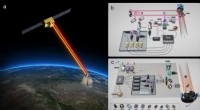
3. Remote Sensing: Satellites and other remote sensing technologies can be used to monitor and detect rogue waves in real-time.
4. Artificial Intelligence (AI): AI techniques are being explored to analyze wave patterns and identify potential rogue waves based on historical data and real-time measurements.
Despite these efforts, accurately predicting rogue waves remains challenging, and further research is needed to improve forecasting capabilities and mitigate the risks associated with these extreme events.