Karel Bock/Shutterstock
Invasive species pose a relentless threat to ecosystems worldwide. While small island communities have successfully eliminated invasive rats, cats, and other non‑native animals, larger landmasses face a far greater challenge. Instead of aiming for total eradication—often impossible—scientists now focus on containment and monitoring. One innovative technique is using high‑voltage electric shocks to sample infested lakes and identify the invasive species that surface.
The Asian swamp eel (Monopterus albus) is a freshwater fish that resembles an eel in both shape and elusive behavior. Its slick skin and rapid movement make it notoriously difficult to catch, allowing it to spread unchecked across North America. Since its introduction, the eel has moved from ponds to lakes, appearing as far north as New Jersey and as far south as Florida. In the Florida Everglades, a study published in Nature reported that after the eel established itself in Taylor Slough, fish and decapod diversity dropped by 25%.
In Orlando, researchers have turned to electro‑sampling to track the eel’s distribution. By installing high‑voltage electrodes in Lake Underhill and delivering controlled electric pulses, they stun the eels, causing them to float to the surface. Even though the eels remain slippery and often escape nets, the samples collected—along with the individuals that slip through—provide critical data on population size, diet, and environmental tolerance. These insights are essential for predicting the species’ future spread and the ecosystems most at risk.
dwi putra stock/Shutterstock
Invasive species enter ecosystems through various pathways. According to the United States Geological Survey (USGS), the Asian swamp eel likely arrived in the continental U.S. via aquarium releases, fish‑farm escapes, or the live‑food‑fish market. Other harmful invaders in Florida include the Asian green mussel, which entered through boat ballast water, and the Brazilian peppertree, introduced unintentionally for ornamental purposes.
The USGS Wetland and Aquatic Research Center (WARC) partially funds the lake‑electrocution program, which also targets two other tenacious invaders: the Cuban tree frog and alligator weed. All three species have spread throughout the southeastern United States, and field teams often recover alligator weed alongside the eels during netting operations.
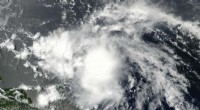
Natural disasters amplify the spread of invasive species. Hurricanes, in particular, act as powerful vectors, transporting native and non‑native organisms across previously isolated water bodies. The increasing intensity of hurricanes driven by climate change further exacerbates the problem, creating annual “corridors” that allow eggs, seeds, and adult organisms to move freely. Hurricane Helene, for example, is estimated to have introduced 222 non‑native species to new habitats, while Hurricane Milton relocated up to 114. Approximately half of those species are classified as invasive. These statistics underscore the importance of monitoring and controlling invasive populations—even if it means employing electric shocks in lakes.