Here are some examples of abiotic factors:
* Sunlight: Provides energy for plants and other organisms.
* Water: Essential for all living things.
* Temperature: Affects the rate of biological processes.
* Soil: Provides nutrients and support for plants.
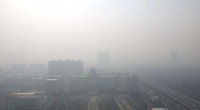
* Air: Provides oxygen for breathing and carbon dioxide for photosynthesis.
* Rocks: Provide shelter and habitat for some organisms.
Abiotic factors interact with biotic factors (living organisms) to create a complex and interconnected ecosystem.