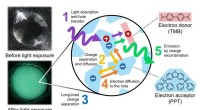
* Photosynthesis: Plants have the unique ability to use sunlight, water, and carbon dioxide to produce their own food (sugars) through photosynthesis. This process converts light energy into chemical energy, forming the basis of the food web.
* Energy Source: The sugars produced by plants provide the energy needed for growth, development, and reproduction. This energy is then passed on to other organisms when they consume plants.
* Foundation of the Food Chain: Animals that eat plants (herbivores) get their energy and nutrients directly from plants. Carnivores, in turn, get their energy by eating herbivores. This creates a chain reaction, making plants the fundamental base of most food chains.
However, it's important to note:
* Decomposers: While plants are the primary producers, decomposers like fungi and bacteria play a crucial role in breaking down dead organic matter (including plants and animals) and releasing nutrients back into the ecosystem. These nutrients then become available for plants to utilize again.
* Chemosynthesis: Some organisms in extreme environments (like deep sea vents) use chemosynthesis, a process that uses chemical energy instead of sunlight to produce food.
In conclusion:
While plants are the primary producers in most ecosystems and are therefore considered the ultimate source of food for most organisms, it's important to remember the vital role of other organisms like decomposers and the existence of alternative food production methods like chemosynthesis.