1. Climate:
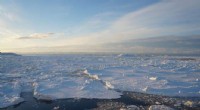
* Temperature: Different organisms have different temperature tolerances. Some thrive in hot deserts, while others are adapted to freezing arctic environments.
* Precipitation: Water availability strongly influences plant growth, which in turn affects the types of animals that can survive in a given area.
* Sunlight: The amount of sunlight reaching an area determines the types of plants that can grow, and thus the animals that can feed on them.
2. Topography:
* Elevation: Temperature and precipitation vary with elevation, creating distinct habitats for different organisms.
* Slope: Slopes can influence sunlight exposure, drainage, and soil types, impacting the types of plants and animals that can thrive.
* Landforms: Mountains, valleys, and other landforms create microclimates and unique habitats.
3. Soil:
* Nutrients: The availability of nutrients in the soil determines the types of plants that can grow, which then influences the types of animals that can live there.
* Texture: Soil texture (clay, silt, sand) influences water retention and drainage, impacting plant growth.
* pH: Soil pH can affect the availability of nutrients and limit the types of plants that can survive.
4. Biotic Factors:
* Competition: Organisms compete for resources such as food, water, and space. This can influence the types of species that can coexist in a community.
* Predation: Predators exert pressure on prey populations, influencing the abundance and distribution of different species.
* Parasitism: Parasites can impact host populations, influencing the overall diversity of a community.
5. Disturbances:
* Fire: Fire can create clearings that allow new plant species to establish themselves, influencing the entire community structure.
* Flooding: Flooding can alter soil conditions and wipe out existing populations, allowing new species to colonize the area.
* Human Impact: Human activities such as deforestation, urbanization, and pollution can dramatically alter land communities, leading to changes in species composition and abundance.
In summary, the types of organisms that live in land communities are a result of the complex interactions between these factors. It is a dynamic system where each factor influences the others, resulting in a diverse and constantly changing tapestry of life.