1. Obtain Water: Unlike aquatic plants, land plants need to actively acquire water from the soil. They achieve this through:
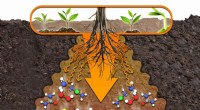
* Roots: Anchor the plant and absorb water from the ground.
* Xylem: A specialized vascular tissue that transports water from roots to the rest of the plant.
2. Retain Water: Land plants face the constant threat of desiccation (drying out). They have evolved mechanisms to prevent water loss:
* Cuticle: A waxy layer on leaves and stems that acts as a barrier to water evaporation.
* Stomata: Pores on leaves that regulate gas exchange, allowing for photosynthesis but also controlling water loss.
3. Obtain Nutrients: Plants require essential nutrients from the soil, which they cannot create themselves:
* Roots: Absorb nutrients from the soil.
* Phloem: Another vascular tissue that transports sugars (food) produced by photosynthesis throughout the plant, including to the roots.
4. Reproduce: Land plants need to disperse their offspring to new locations:
* Seeds: Allow for the dispersal of offspring and protect the embryo.
* Pollen: Carries sperm to the egg for fertilization, often via wind or animals.
5. Support Structure: Land plants need to support their own weight and withstand environmental pressures:
* Cell Walls: Provide structural rigidity, allowing plants to stand upright.
* Wood: A strong and durable material found in trees, providing support and enabling them to grow tall.
**It's worth noting that these are just the basic necessities. There are many other adaptations that plants have developed over time to thrive in specific environments, such as:
* Photosynthesis: The process of converting light energy into chemical energy (sugars) for growth and survival.
* Tolerance to extreme temperatures, drought, or salinity.
The evolution of these adaptations allowed plants to conquer land and diversify into the vast array of species we see today.