1. Pollution:
* How it affects the ecosystem: Pollution, whether it's air, water, or soil pollution, introduces harmful substances into the environment. This can harm plants and animals, disrupt natural cycles, and ultimately damage entire ecosystems.
* Examples:
* Air pollution: Burning fossil fuels releases harmful gases that contribute to smog, acid rain, and climate change.
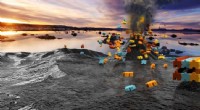
* Water pollution: Industrial waste, sewage, and agricultural runoff can contaminate rivers, lakes, and oceans, harming aquatic life and impacting human health.
* Soil pollution: Pesticides, fertilizers, and industrial waste can accumulate in soil, impacting plant growth and potentially poisoning animals.
2. Habitat Destruction:
* How it affects the ecosystem: Humans modify and destroy natural habitats through deforestation, urbanization, and agriculture. This leads to habitat loss, fragmentation, and a decrease in biodiversity.
* Examples:
* Deforestation: Clearing forests for logging, agriculture, or development destroys habitats for countless species.
* Urbanization: Expanding cities and towns displace natural ecosystems and create barriers for animal movement.
* Agriculture: Intensive farming practices can lead to soil degradation, water depletion, and habitat loss for wildlife.
These are just two examples of how humans impact the ecosystem. It's important to note that these impacts can have far-reaching consequences for the health and stability of our planet.