1. Structural adaptations:
* Roots: Anchoring the plant to the ground and absorbing water and nutrients from the soil.
* Stems: Supporting the plant's weight and transporting water and nutrients.
* Leaves: Capturing sunlight for photosynthesis, minimizing water loss, and sometimes modified for specialized functions like protection or storage.
* Cuticle: A waxy layer on the surface of leaves and stems that helps prevent water loss.
* Stomata: Tiny pores on the underside of leaves that allow for gas exchange (taking in carbon dioxide and releasing oxygen) but can also close to prevent water loss.
2. Physiological adaptations:
* Vascular system: A network of specialized tissues (xylem and phloem) that transport water, nutrients, and sugars throughout the plant.
* Photosynthesis: Using sunlight, water, and carbon dioxide to produce sugars for energy.
* Respiration: Breaking down sugars to release energy.
* Water regulation: Specialized mechanisms to control water intake and loss, including stomata closure and root systems that tap into deeper water sources.
3. Reproductive adaptations:
* Pollen: A waterproof, microscopic structure that carries the male gametes (sperm) and is dispersed by wind, water, or insects.
* Seeds: Containing an embryo and a food supply, allowing the plant to reproduce and spread its offspring to new locations.
* Flowers: Attracting pollinators for sexual reproduction.
* Fruits: Encasing seeds and facilitating their dispersal by animals.
4. Defense mechanisms:
* Thorns and spines: Protecting the plant from herbivores.
* Toxic chemicals: Deterring herbivores.
* Physical barriers: Thick bark or tough leaves.
* Symbiotic relationships: Partnering with other organisms for protection or nutrient acquisition.
Examples of Plant Adaptations:
* Cacti: Have deep roots to tap into groundwater, spines to protect them from herbivores, and fleshy stems to store water.
* Desert plants: Have reduced leaves to minimize water loss, deep roots to access groundwater, and often rely on CAM photosynthesis (a type of photosynthesis that allows for water conservation).
* Water lilies: Have large, flat leaves that float on the surface of the water to capture sunlight, and long stems that anchor them to the bottom of the pond.
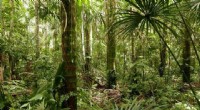
* Tropical rainforest plants: Have large leaves to capture sunlight in the dense canopy and buttress roots to support their height.
Overall, plants living on land have evolved a wide array of adaptations that enable them to thrive in their diverse environments. These adaptations are crucial for their survival and reproduction, allowing them to flourish in a terrestrial world.