Physical Components:
* Air: Provides oxygen for breathing and carbon dioxide for photosynthesis.
* Water: Essential for life, used for drinking, plant growth, and many other processes.
* Sunlight: Provides energy for plants through photosynthesis.
* Soil: Provides nutrients and support for plants.
* Rocks and Minerals: Contribute to soil formation, provide nutrients, and shape the landscape.
* Temperature: Impacts the rate of biological processes and the types of organisms that can survive.
Human-Made Components:
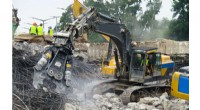
* Buildings and Structures: Can alter the landscape and impact ecosystems.
* Roads and Infrastructure: Can fragment habitats and disrupt natural flow patterns.
* Pollution: Can harm organisms and disrupt ecosystem processes.
Other:
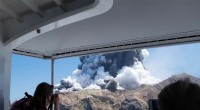
* Fire: Can be a natural force that clears land and promotes new growth.
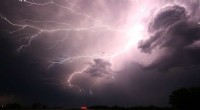
* Wind: Disperses seeds, creates waves, and influences weather patterns.
Important Note: The boundaries between living and nonliving things can be blurred, especially when considering things like viruses or certain geological processes. However, for the purposes of ecosystem classification, the above examples are generally considered nonliving.