1. Primary Consumers:
* Herbivores are the primary consumers in food webs. They consume plants, converting plant energy into a form that can be used by other organisms.
* This conversion of plant matter into animal matter is essential for the flow of energy through the ecosystem.
2. Population Control:
* By grazing on plants, herbivores prevent the overgrowth of certain species, contributing to plant diversity.
* This can prevent the dominance of a single plant species and maintain a healthy and balanced ecosystem.
3. Nutrient Cycling:
* Herbivores consume plants and then excrete waste products like dung and urine. These waste products contain nutrients like nitrogen and phosphorus that are essential for plant growth.
* The decomposition of herbivore waste releases these nutrients back into the soil, enriching it and supporting plant life.
4. Seed Dispersal:
* Many herbivores eat fruits and seeds. Some seeds pass through their digestive systems intact and are deposited in new locations with their feces.
* This seed dispersal helps plants colonize new areas and prevents overcrowding.
5. Habitat Modification:
* Herbivore grazing can modify the habitat by altering the composition and structure of vegetation.
* For instance, grazing by large herbivores can create open spaces, which can benefit other animals that prefer these habitats.
6. Food Source for Predators:
* Herbivores are the primary food source for carnivores, which are secondary consumers.
* This link between herbivores and predators is essential for maintaining a balanced ecosystem.
Examples of Herbivores:
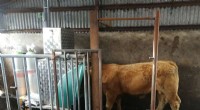
* Mammals: Cows, deer, elephants, rabbits, horses
* Birds: Chickens, geese, parrots, hummingbirds
* Insects: Caterpillars, grasshoppers, locusts
In Conclusion:
Herbivores play a fundamental role in the ecosystem, influencing energy flow, plant diversity, nutrient cycling, seed dispersal, habitat modification, and the food chain. Their activities are vital for maintaining a healthy and balanced environment.