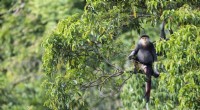
Aesthetic Appeal:
* Beautiful foliage: They have a distinctive, umbrella-shaped canopy that provides ample shade.
* Stunning flowers: Their pink-white, fluffy blossoms are a beautiful sight.
* Attractive bark: The bark is often a rich brown color, adding to the tree's overall aesthetic appeal.
Practical Benefits:
* Shade: Their wide-spreading branches and dense foliage provide excellent shade, making them ideal for gardens and outdoor living spaces.
* Nitrogen fixation: Rain trees are legumes and can fix nitrogen from the air, enriching the soil and reducing the need for fertilizers.
* Windbreak: Their dense foliage can act as a windbreak, protecting other plants and structures from harsh winds.
* Wildlife habitat: The tree attracts birds, insects, and other wildlife, creating a vibrant ecosystem within your garden.
Other Considerations:
* Fast growth: Rain trees grow relatively quickly, making them a good choice for those looking for fast-growing shade.
* Adaptability: They can adapt to a variety of soil types and climates, making them suitable for many regions.
However, there are also some drawbacks to consider:
* Large size: Rain trees can grow very large, so they may not be suitable for small gardens.
* Messy: The tree produces a significant amount of leaves and flowers, which can make for a messy garden.
* Roots: Rain trees have extensive root systems that can damage pavements and foundations.
Overall, rain trees are popular garden additions due to their beauty, practical benefits, and adaptability. However, it is important to consider their size and potential drawbacks before planting one.