Imagine a small, sun-dappled pond nestled within a bustling park. This tranquil ecosystem, teeming with life, offers a microcosm of nature's intricate web.
Flora:
* Water lilies: Their broad, floating leaves provide shade for fish and shelter for insects, while their vibrant blooms attract pollinators like bees and butterflies.
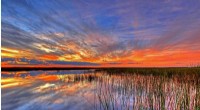
* Cattails: These tall, reed-like plants grow along the pond's edges, offering nesting sites for birds and providing oxygen for aquatic life.
* Algae: Microscopic algae thrive in the water, forming the base of the food chain and providing oxygen through photosynthesis.
* Emergent vegetation: Reeds, rushes, and other plants grow along the water's edge, offering habitats for amphibians and invertebrates.
Fauna:
* Fish: Carp, bass, and other fish species swim through the water, feeding on insects and algae.
* Frogs and Toads: These amphibians spend part of their lives in the water, breeding and raising tadpoles, before venturing onto land.
* Dragonflies and Damselflies: These delicate insects flit around the pond, preying on mosquitoes and other small insects.
* Insects: A diverse array of insects, including water striders, water beetles, and mosquito larvae, inhabit the pond's surface and depths.
* Birds: Ducks, geese, and herons visit the pond to feed on fish and insects.
Interdependence:
* Food web: The pond ecosystem functions through a complex food web. Algae are consumed by insects, which are eaten by fish and amphibians, which in turn are preyed upon by birds.
* Nutrient cycling: Decomposing organic matter from dead plants and animals releases nutrients back into the water, fueling further plant growth.
* Habitat: The pond provides a safe haven for various species, offering shelter, food, and breeding grounds.
Impact of Park Visitors:
* Pollution: Runoff from park areas can introduce pollutants like fertilizers and pesticides into the pond, harming aquatic life.
* Disturbance: Excessive foot traffic and noise can disrupt the natural rhythms of the pond's inhabitants.
Conclusion:
The pond ecosystem within the park showcases the delicate balance of nature. It serves as a valuable habitat for a variety of species and reminds us of the interconnectedness of all living things. By respecting and protecting this ecosystem, we ensure its continued existence for generations to come.