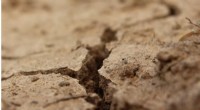
* Deserts: These ecosystems are characterized by extremely low rainfall, high temperatures, and often sandy or rocky soils. The wide-spreading roots help the plants access water from a larger area, while the spines help deter herbivores and reduce water loss through transpiration.
* Scrublands: These ecosystems are similar to deserts but may receive a little more rainfall. Plants in scrublands also have adaptations for drought, including wide-spreading roots and spiny leaves.
* Mediterranean climate regions: These regions experience dry, hot summers and mild, wet winters. Plants in these regions have adapted to survive the long dry periods, and many have wide-spreading roots and spiny leaves.
Examples of plants with these adaptations include:
* Cactus: A classic example, cacti have extensive shallow root systems to capture rainwater quickly, and spines to deter herbivores and prevent water loss.
* Agave: Agave plants have deep taproots and shallow, spreading roots to access water from both depths and surface, and spiky leaves to prevent herbivory.
* Yucca: Yucca plants have deep roots to access groundwater and spiny leaves to deter herbivores.
* Prickly pear: These cacti are known for their flattened, paddle-like stems with spines and extensive root systems.
It's important to remember that these adaptations are not exclusive to arid ecosystems. Some plants in other environments may also have these features for different reasons, like defense against predators or competition for light. However, the combination of wide-spreading roots and spiny leaves is most prevalent in arid and semi-arid environments.