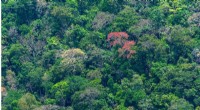
* Root systems: The extensive and deep root systems of trees anchor the soil, providing stability and preventing it from being easily washed away by rainwater.
* Interception: Tree canopies intercept rainfall, reducing the impact of raindrops on the soil surface. This minimizes the force of water that can dislodge soil particles.
* Leaf litter: The layer of leaves, twigs, and other organic matter that accumulates under trees acts like a sponge, absorbing rainwater and slowing its flow. This reduces runoff and erosion.
* Soil structure: Trees contribute to healthy soil structure by adding organic matter and improving aeration. This makes the soil more resistant to erosion.
* Reduced wind speed: Trees reduce wind speed, further mitigating erosion by wind.
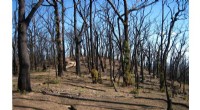
Without trees, the hillside would be vulnerable to erosion because:
* Unprotected soil: The soil would be directly exposed to heavy rainfall, leading to soil compaction, runoff, and erosion.
* Increased runoff: Without tree canopies to intercept rain, water flows rapidly over the hillside, carrying away soil and rocks.
* Lack of root systems: The absence of roots means there is no anchoring force to hold the soil in place.
Therefore, trees are essential for preventing soil and rock erosion on hillsides, protecting the environment and contributing to the overall stability of the landscape.