1. Protection and Nourishment:
- Seeds provide a protective coat around the developing embryo, shielding it from harsh environmental conditions like drying out, temperature fluctuations, and predators.
- They also contain a food supply (endosperm) for the embryo, allowing it to germinate and establish itself without immediate reliance on external resources.
2. Dispersal and Colonization:
- Seeds are easily dispersed by wind, water, or animals, allowing plants to colonize new areas.
- This dispersal mechanism enabled plants to escape competition with their parent plants and exploit new environments.
3. Dormancy:
- Seeds can enter a dormant state, allowing them to survive periods of unfavorable conditions (e.g., drought, winter) and germinate only when conditions are favorable.
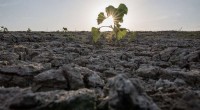
- This feature allowed plants to spread and colonize even harsh or unpredictable environments.
4. Increased Fitness:
- Seed production allowed for the development of more complex and diverse life cycles in land plants, ultimately contributing to their evolutionary success.
- This increased complexity allowed plants to exploit a wider range of resources and adapt to diverse terrestrial environments.
In contrast, the ancestral aquatic plants:
* Relied on water for fertilization and dispersal of spores, making them vulnerable to drying out on land.
* Had a limited ability to survive harsh conditions like drought or extreme temperatures.
In summary:
Seed production provided plants with the necessary protection, dispersal, and dormancy mechanisms to overcome the challenges of terrestrial life and thrive in a wide range of environments. It was a key evolutionary innovation that enabled plants to colonize and dominate the land.