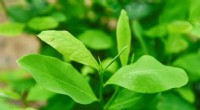
Here are some examples of dicots, categorized by common use or characteristic:
Food:
* Apple: *Malus domestica*
* Bean: *Phaseolus vulgaris*
* Carrot: *Daucus carota*
* Cucumber: *Cucumis sativus*
* Lettuce: *Lactuca sativa*
* Pea: *Pisum sativum*
* Potato: *Solanum tuberosum*
* Tomato: *Solanum lycopersicum*
* Sunflower: *Helianthus annuus*
Trees:
* Oak: *Quercus spp.*
* Maple: *Acer spp.*
* Willow: *Salix spp.*
* Rose: *Rosa spp.*
* Magnolia: *Magnolia spp.*
* Cherry: *Prunus avium*
* Peach: *Prunus persica*
* Plum: *Prunus domestica*
Flowers:
* Rose: *Rosa spp.*
* Daisy: *Bellis perennis*
* Violet: *Viola spp.*
* Poppy: *Papaver spp.*
* Snapdragon: *Antirrhinum majus*
* Petunia: *Petunia spp.*
* Zinnia: *Zinnia spp.*
* Geranium: *Pelargonium spp.*
Other:
* Cotton: *Gossypium hirsutum*
* Coffee: *Coffea arabica*
* Tobacco: *Nicotiana tabacum*
* Cannabis: *Cannabis sativa*
* Soybean: *Glycine max*
* Clover: *Trifolium spp.*
* Dandelion: *Taraxacum officinale*
Note: This list is not exhaustive and there are many more examples of dicots.
Why Dicots are Important:
Dicots are a significant part of the plant kingdom, providing food, medicine, and other vital resources for humans and animals. They also play a crucial role in the ecosystem, contributing to biodiversity and contributing to soil health.