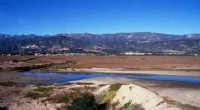
* Location: Different regions have different species.
* Climate: Temperature and precipitation levels influence which trees can thrive.
* Soil type: Soil nutrients and drainage affect plant growth.
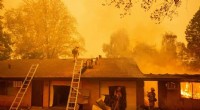
* Disturbances: Events like fires, floods, or human activities can alter the community.
Here are some examples of climax species found in deciduous forests around the world:
* Temperate deciduous forests of North America: Sugar maple, American beech, oak, hickory, ash
* Temperate deciduous forests of Europe: Beech, oak, maple, elm, ash
* Temperate deciduous forests of Asia: Oak, maple, birch, chestnut, elm
Therefore, rather than a single climax vegetation, it's more accurate to talk about climax communities within deciduous forests, each with its own specific composition of trees and other plants.